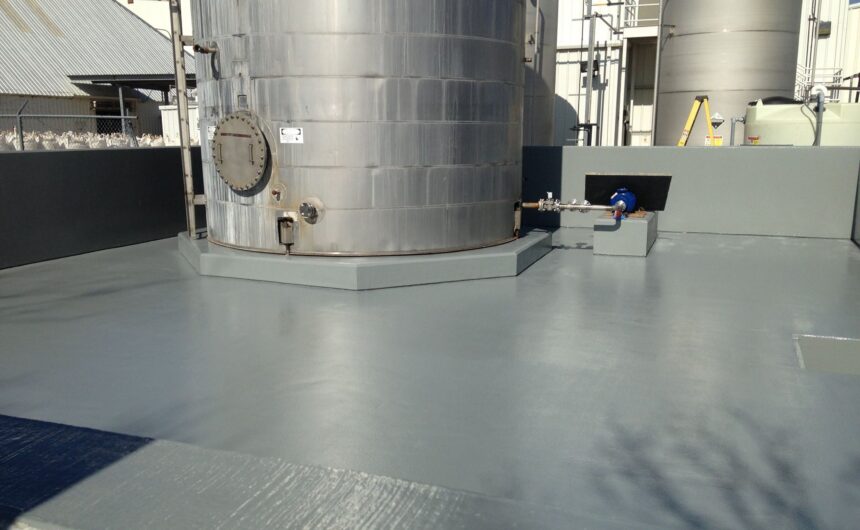
Containment coatings play a vital role in various industries. From chemical storage to environmental safety, these coatings create protective barriers. This article explores the fundamental principles of containment coatings, their applications, and their benefits.
What Are Containment Coatings?
Containment coatings refer to specialized materials that provide a barrier against hazardous substances. These coatings prevent the escape of chemicals, oils, and other potentially harmful agents. They enhance safety in industrial settings, protecting workers and the environment.
Chemicals can corrode surfaces and cause damage. Coatings act as shields, absorbing and containing spills. By doing so, they protect underlying materials and prevent contamination of soil and water sources.
The Science Behind Containment Coatings
Understanding how containment coatings work involves looking at their composition and properties. Most coatings consist of polymers or epoxy resins. These materials offer strong adhesion, flexibility, and resistance to chemicals. When applied properly, coatings create a seamless layer that minimizes the risk of leaks.
Chemical resistance is crucial. Containment coatings must withstand various substances, including solvents, acids, and oils. Manufacturers often test coatings for these properties before commercial use. Effective coatings also resist weathering and UV radiation, ensuring long-term performance.
Applications in Various Industries
Containment coatings find applications across numerous sectors. Industries such as manufacturing, energy, and transportation utilize these coatings extensively.
In manufacturing, for example, factories often use containment coatings on tanks and floors. This practice ensures that leaks or spills are contained quickly. The automotive industry also benefits from these coatings, especially in production facilities handling fuels and lubricants.
The energy sector relies on containment coatings for safe operations. Oil and gas drilling sites utilize coatings to protect equipment from corrosion. These sites store large quantities of dangerous materials, making effective containment essential.
Environmental Benefits
Containment coatings contribute significantly to environmental protection. By preventing leaks, these coatings reduce the risk of contamination in local ecosystems. They play a role in safeguarding groundwater and surrounding lands from hazardous spills.
When companies invest in containment coatings, they mitigate the chances of environmental violations. This proactive measure can lead to better compliance with regulations. As a result, companies can avoid costly fines and improve their public image.
Installation and Maintenance
Proper installation is crucial for the effectiveness of containment coatings. Experienced applicators must ensure that surfaces are clean and prepared before coating. Any dirt or oil can weaken the adhesion. Therefore, thorough preparation is essential for durable results.
After installation, regular maintenance checks become necessary. Inspecting the coatings for wear or damage ensures they remain effective. If a coating develops cracks or chips, prompt repair can prevent larger problems from arising. Routine maintenance prolongs the lifespan of the coatings, providing ongoing protection.
Challenges in the Industry
Despite their benefits, the application of containment coatings is not without challenges. One significant issue is the need for proper environmental conditions during application. Temperature and humidity can affect how well coatings adhere to surfaces. Applicators must monitor these factors closely to ensure that the coating cures correctly.
Another challenge involves choosing the right coating for specific environments. Different chemicals demand different types of coatings. Inadequate selection may lead to coating failure. Knowledge of the various chemical properties is essential for making informed choices.
Future Developments
The field of containment coatings continues to evolve. Researchers are exploring new materials that offer enhanced protection and sustainability. Innovations in nanotechnology may lead to coatings with improved properties, such as greater durability and lower environmental impacts.
Sustainable practices are also on the rise. Many manufacturers now seek eco-friendly materials for their coatings. This shift towards greener options reflects a growing awareness of environmental responsibility.
As awareness of the risks associated with chemical spills continues to grow, regulations surrounding containment coatings may tighten. Companies will need to stay informed and adapt quickly to remain compliant.
Conclusion
Containment coatings are essential tools in preserving safety and environmental integrity. Understanding their role and significance helps industries manage potential risks effectively. By investing in high-quality coatings, businesses can protect both their assets and the surrounding environment.
As technology advances and regulations change, the importance of effective containment will only grow. Companies that prioritize these coatings will likely find themselves ahead in terms of safety and compliance in the years to come.