The Moment That Went Global
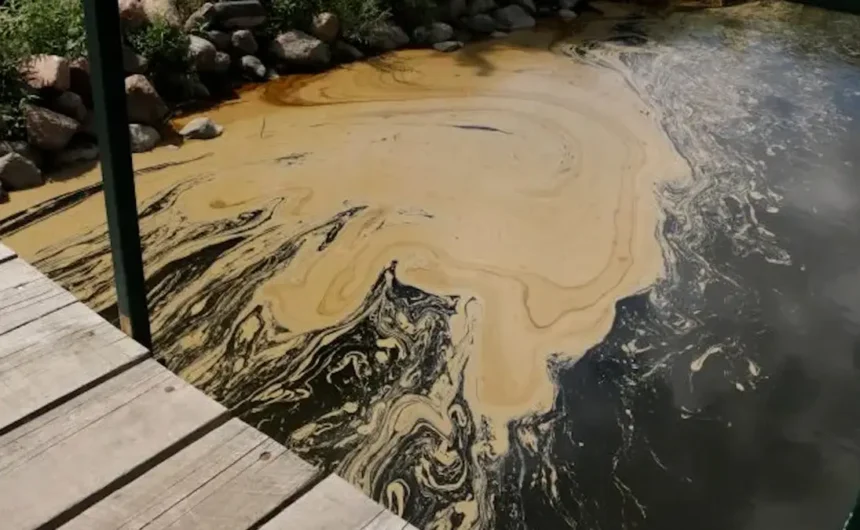
A few months ago, a factory in the Midwest made headlines for all the wrong reasons. A worker recorded a chemical leak streaming across the concrete floor, bypassing a broken berm and seeping into a nearby storm drain. The clip hit social media before the company could respond, and within hours, it had been viewed millions of times. Environmental groups jumped on the story, and regulatory agencies launched an investigation.
The leak itself wasn’t unusually large. What made it go viral was the clear failure of the containment system. Viewers saw the liquid escaping without resistance, raising the question: how does a facility still operate with such weak spill protection?
Why Secondary Containment Failed
In the video, the facility had physical barriers that looked sufficient on paper. But those berms were made from aging rubber and cracked concrete. The chemicals pushed right through. In this case, what failed was not just equipment, but also planning. Many companies rely on outdated materials and don’t update systems until after something breaks.
That’s where newer solutions like secondary containment using polyurea stand out. Polyurea forms a seamless, chemical-resistant coating that prevents leaks from spreading. It adheres to surfaces like concrete or metal and cures quickly, even in humid or cold conditions. That’s why more industrial sites are adopting it before problems arise.
The Public Reaction and Policy Response
The viral video sparked more than just outrage—it caught the attention of regulators. Since then, local lawmakers have pushed for stricter enforcement of containment rules. Several agencies now require proof of inspection and updated containment systems for chemical storage facilities.
Public pressure also forced the company to issue a statement, shut down part of the facility, and replace the failed barriers. Industry insiders know it won’t be the last time social media shines a light on a weak safety practice. What’s changing now is how quickly companies act after the public sees what failure looks like.
The Role of Application Methods
Not all containment coatings perform the same, even if made from polyurea. The difference often comes down to how they’re applied. Spray techniques, curing time, surface prep, and ambient conditions all affect how well the coating works. Using the right method matters, especially when the containment area faces constant exposure to harsh chemicals or physical wear.
More facilities are turning to expert contractors who understand the applications methods for secondary containment. They know how to apply polyurea evenly, bond it correctly to rough or damp surfaces, and test it under load conditions. That’s what separates a working system from one that fails when it’s needed most.
Long-Term Solutions That Don’t Crack Under Pressure
Facilities with aging concrete pads or containment walls face a ticking clock. Time, weather, and chemical exposure wear down traditional barriers. Fixing cracks with patchwork repairs might last a few weeks—but polyurea gives a more permanent option. It resists abrasion, holds up under thermal cycling, and seals tight around joints and corners.
Sites that handle volatile liquids, fertilizers, fuels, or corrosive chemicals can’t afford to wait. A failed berm doesn’t just cause fines—it risks injuries, water contamination, and permanent damage to a company’s reputation. That’s why more operators are now prioritizing secondary containment as part of routine maintenance instead of emergency response.
How Barriers Add a Final Line of Defense
Even the best coating needs physical backup. Containment works best when combined with physical spill containment barriers designed to stop, redirect, or collect hazardous liquids. Portable barriers can support emergency response, while fixed ones around storage tanks or pump pads help prevent migration in the event of a release.
The best systems take a layered approach: use a polyurea coating to seal the floor or wall, and add physical barriers to intercept runoff or overflow. That combination not only meets regulatory standards but also builds trust with local communities.
The Takeaway From One Viral Video
That single video of a chemical leak did more than damage one company’s public image. It changed how people see industrial safety. It reminded facility managers that every berm, every seal, every crack matters.
Containment systems work—when they’re done right. Materials like polyurea, applied by experienced professionals and paired with smart barrier design, provide real protection. The question is no longer whether your site will face a leak, but whether it will go viral when it does.