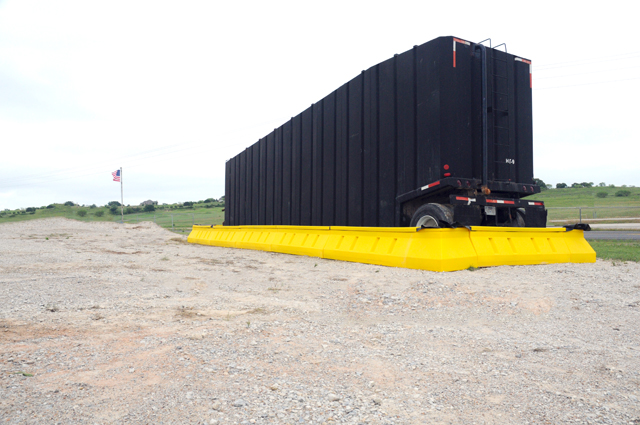
Effective spill containment is crucial for environmental protection and regulatory compliance in industries ranging from oil and gas to chemical manufacturing. Let’s discuss the various spill containment systems available, their benefits, and the latest innovations in the field, ensuring you have all the information you need to choose the best system for your needs.
Why Spill Containment is Important
Spill containment systems are designed to prevent hazardous liquids from spreading, protecting both the environment and human health. Uncontrolled spills can lead to soil and water contamination, harm wildlife, and pose significant health risks to people. Moreover, failing to contain spills can result in hefty fines and legal consequences for businesses.
Types of Spill Containment Systems
- Secondary Containment: These systems are a backup to primary containers, catching any spills or leaks. They include spill pallets, containment berms, and bund tanks.
- Spill Kits: Portable kits equipped with absorbent materials, personal protective equipment (PPE), and tools needed to respond to spills quickly. They are ideal for small to medium-sized spills.
- Drain Covers and Seals: These are used to protect drainage systems from contamination during spills. They can be quickly deployed to seal off drains and prevent hazardous substances from entering waterways.
- Spill Containment Trays and Sumps: Used for smaller containers and equipment, these trays and sumps catch spills and leaks, preventing them from spreading.
Innovative Approaches to Spill Containment
- Smart Containment Systems: Integrating technology such as sensors and automated shut-off valves can enhance the effectiveness of spill containment systems. These systems can detect spills in real-time and initiate containment measures automatically.
- Eco-friendly Absorbents: Traditional absorbents can be harmful to the environment. New eco-friendly options made from sustainable materials such as recycled cellulose or natural fibers are gaining popularity. These absorbents are biodegradable and have a lower environmental impact.
- Reinforced Containment Berms: These berms are constructed with advanced materials that offer superior resistance to chemicals and physical damage. They are particularly useful in harsh industrial environments where standard berms may fail.
Statistical Insights
- Cost Savings: According to a study by the Environmental Protection Agency (EPA), businesses that invest in spill containment systems can reduce cleanup costs by up to 75%.
- Environmental Impact: Effective spill containment can prevent up to 98% of potential environmental contamination from spills, significantly reducing the risk of soil and water pollution.
- Compliance and Fines: The Occupational Safety and Health Administration (OSHA) reports that companies without proper spill containment systems face average fines of $70,000 per violation, highlighting the financial importance of compliance.
Case Study: Innovative Spill Containment in Action
A major chemical manufacturing plant recently implemented a state-of-the-art spill containment system incorporating smart technology and eco-friendly absorbents. The system includes sensors that detect leaks and automatically activate containment measures, such as shutting off valves and deploying absorbent materials. Since its installation, the plant has reported a 90% reduction in spill-related incidents and a significant decrease in cleanup costs.
Commonly Overlooked Information
- Long-term Maintenance: Regular inspection and maintenance of spill containment systems are crucial for ensuring their effectiveness. Over time, materials can degrade, and systems can become less effective.
- Training and Preparedness: Employees should be trained in spill response procedures and the use of containment equipment. Regular drills and training sessions can ensure a swift and effective response to spills.
- Regulatory Updates: It is essential to stay informed about the latest regulations and industry standards. Compliance requirements can change, and new technologies can offer improved spill containment solutions.
Conclusion
Spill containment systems are vital to any industrial operation handling hazardous materials. Businesses can effectively mitigate the risks associated with spills by understanding the different types of containment systems, leveraging innovative technologies, and maintaining a proactive approach to training and maintenance. Investing in a robust spill containment strategy protects the environment and human health and ensures regulatory compliance and financial savings.