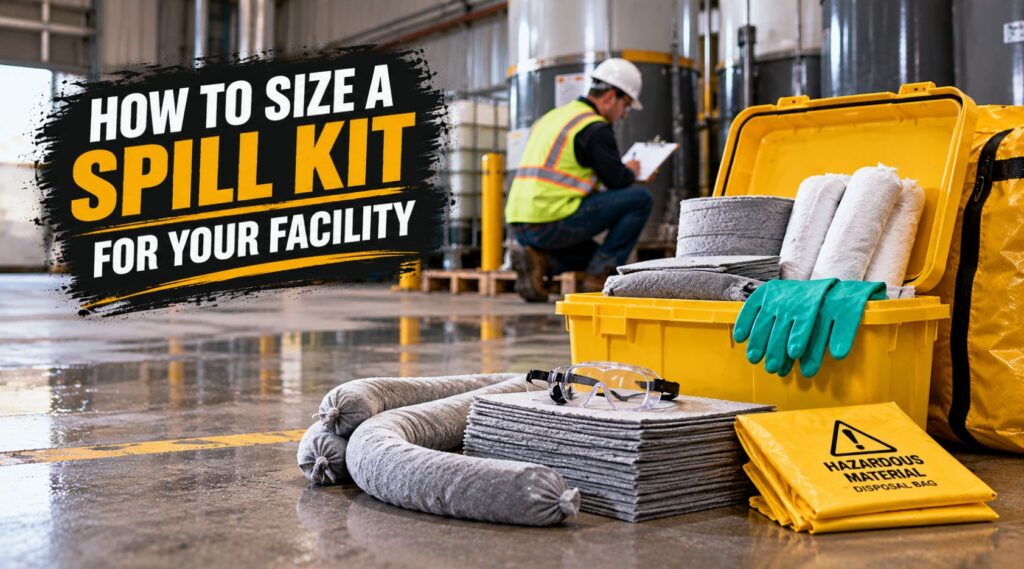
How to Size a Spill Kit for Your Facility (Step-by-Step)
Nobody thinks about their spill kit until the moment they desperately need it, and by then it’s usually too late to wish they’d bought…
Containment reference / spillcontainment.org
Plain guides to bunds, berms, pallets, linings and spill kits, written for the people who run storage areas and have to pass the inspection.
Every topic on the site, laid out like a periodic table. Large tiles are guides and tools, small tiles are reading and reference.
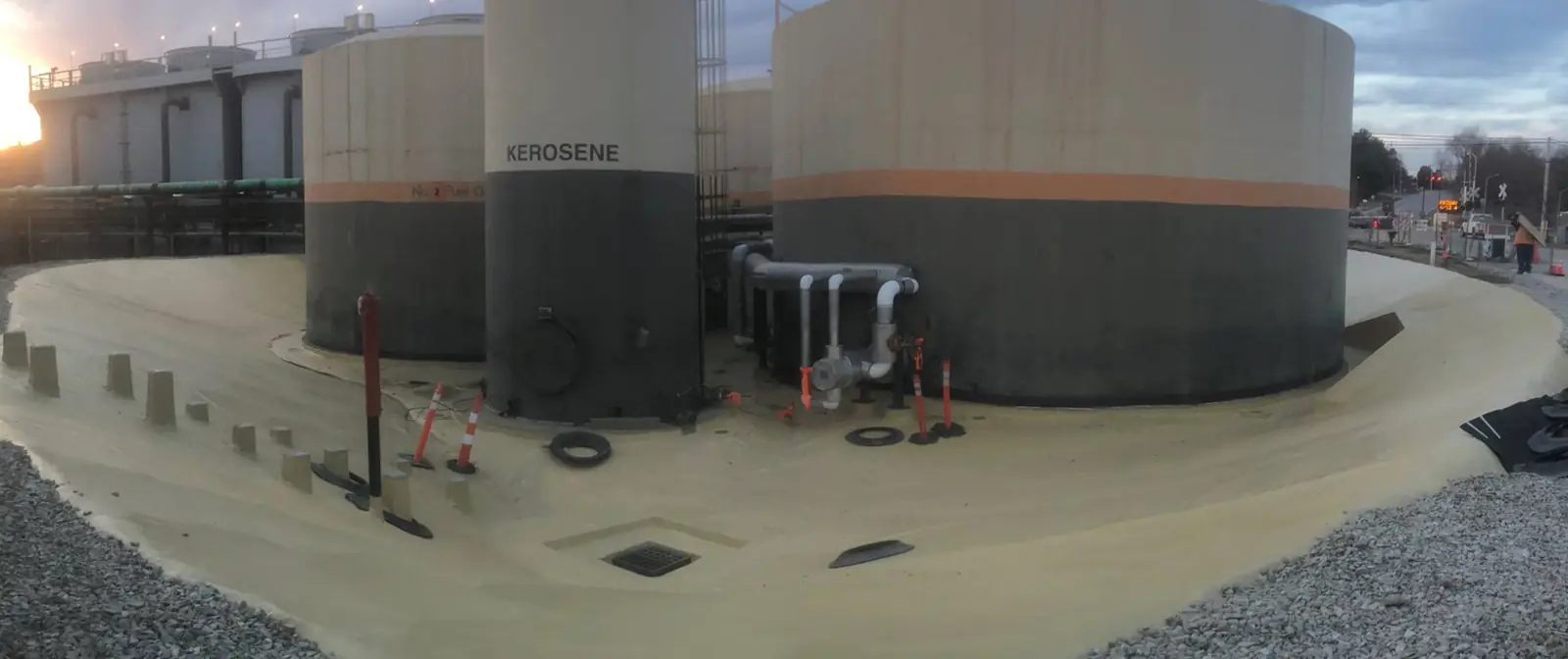
A bund only works if the valve is shut.
Most containment failures are not dramatic. They are an open drain valve, an unsealed joint or a tank added without rechecking capacity.
Four layers
Containment works when each layer backs up the one before it.
Read the guidesGood storage, labels, overfill protection and careful transfers stop most spills before they start.
Bunds, berms, pallets and double wall tanks hold whatever escapes the primary container.
Stocked spill kits and trained people stop a spill spreading and clean it up safely.
Regular walk rounds catch cracks, open valves and missing kit before they matter.
Worksheet
Enter the largest container and the total stored. The worksheet shows a common starting figure in seconds.
Checklist
Five areas to look at every time. The full printable version has every line.
No cracks, gaps or failed joints
Drain valves closed and locked
No extra containers added since the last check
Tanks and drums labeled and closed
Spill kit present, sealed and stocked
Nobody thinks about their spill kit until the moment they desperately need it, and by then it’s usually too late to wish they’d bought…
FAQ
Primary containment is the tank, drum or pipe that holds the liquid. Secondary containment is the barrier around it that catches a leak if the primary fails.
It depends on the rule that covers your site. Many start with the volume of the largest container and add room for rainwater outdoors. The sizing worksheet shows the math.
Oil storage above set thresholds often falls under the EPA SPCC rule in 40 CFR part 112. Hazardous waste containers have their own rules, and states and local fire codes add more. Your regulator or a qualified consultant can confirm what applies.
Usually, after checking it for sheen or contamination. Keep valves closed and locked between releases, and record who drained it and when.
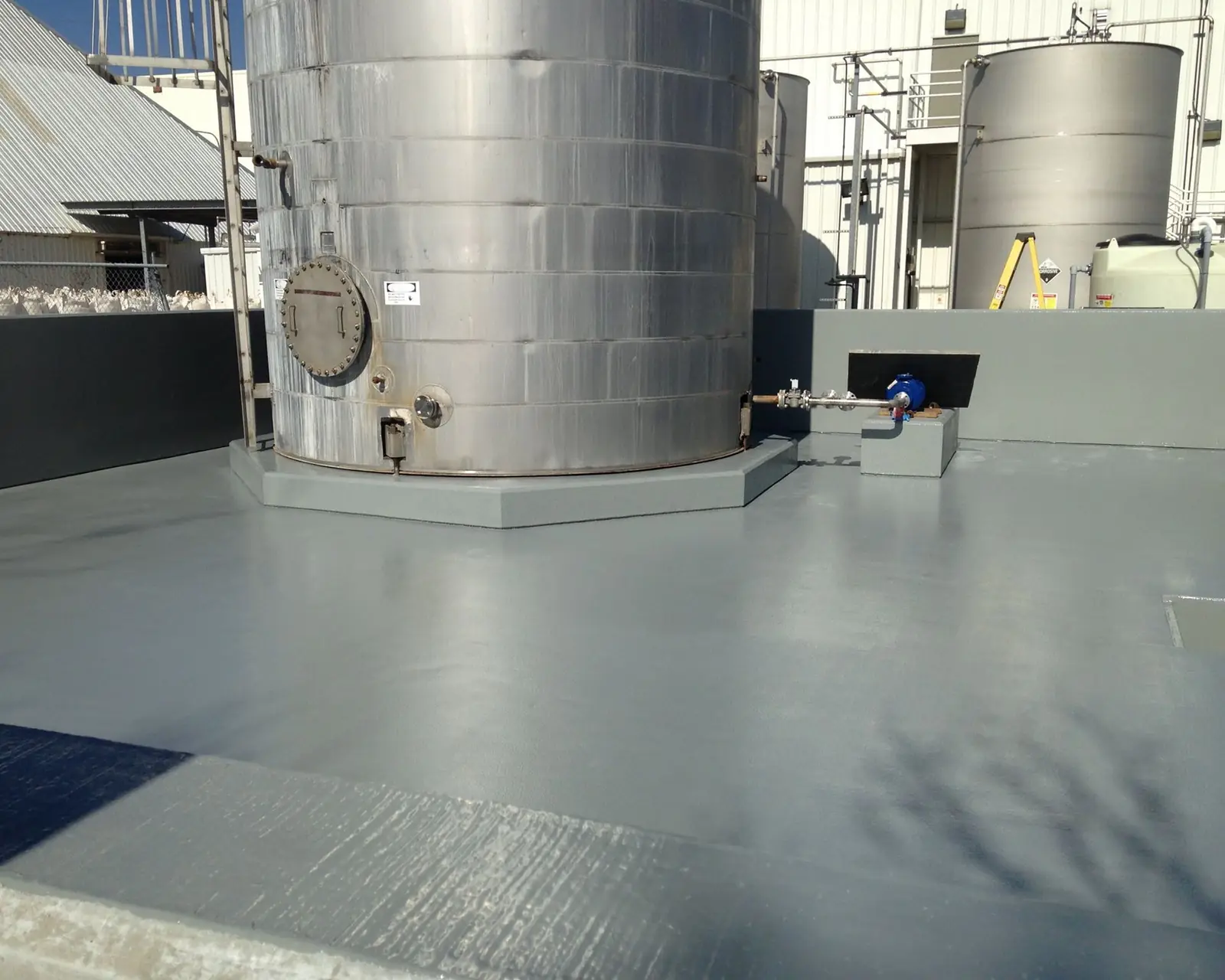
Concrete is porous and cracks over time, so it may let liquid through. Many owners seal or line it. See containment coatings.