Guide 02 / SK
Spill kits
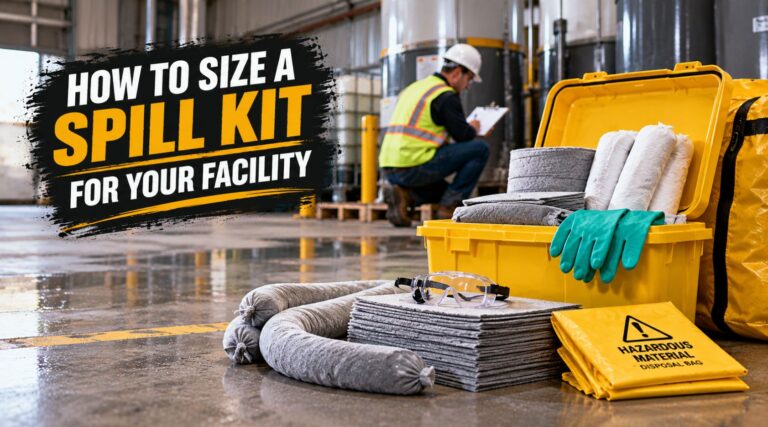
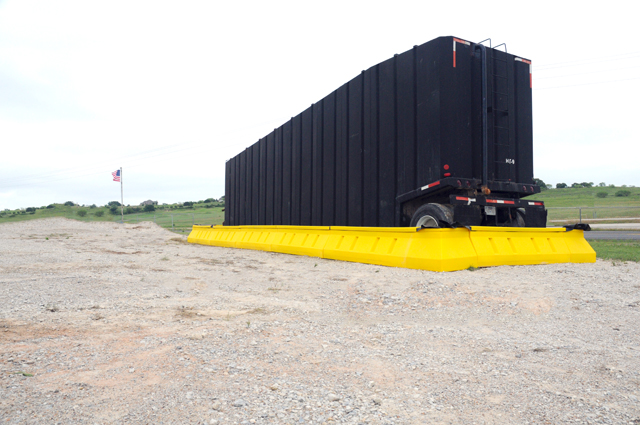
A spill kit is the response half of containment. It gives people what they need to stop, soak up and bag a spill before it spreads.
Pick the right absorbent
Universal absorbents handle water based liquids, coolants and oils. Oil only absorbents repel water, which suits outdoor use and wet conditions. Chemical kits cover acids, bases and aggressive liquids. Match the kit to the safety data sheets of what you store.
Size for the likely spill
Think about the container people handle most and how much could escape before anyone reacts. Our guide on sizing a spill kit works through it step by step.
Placement and access
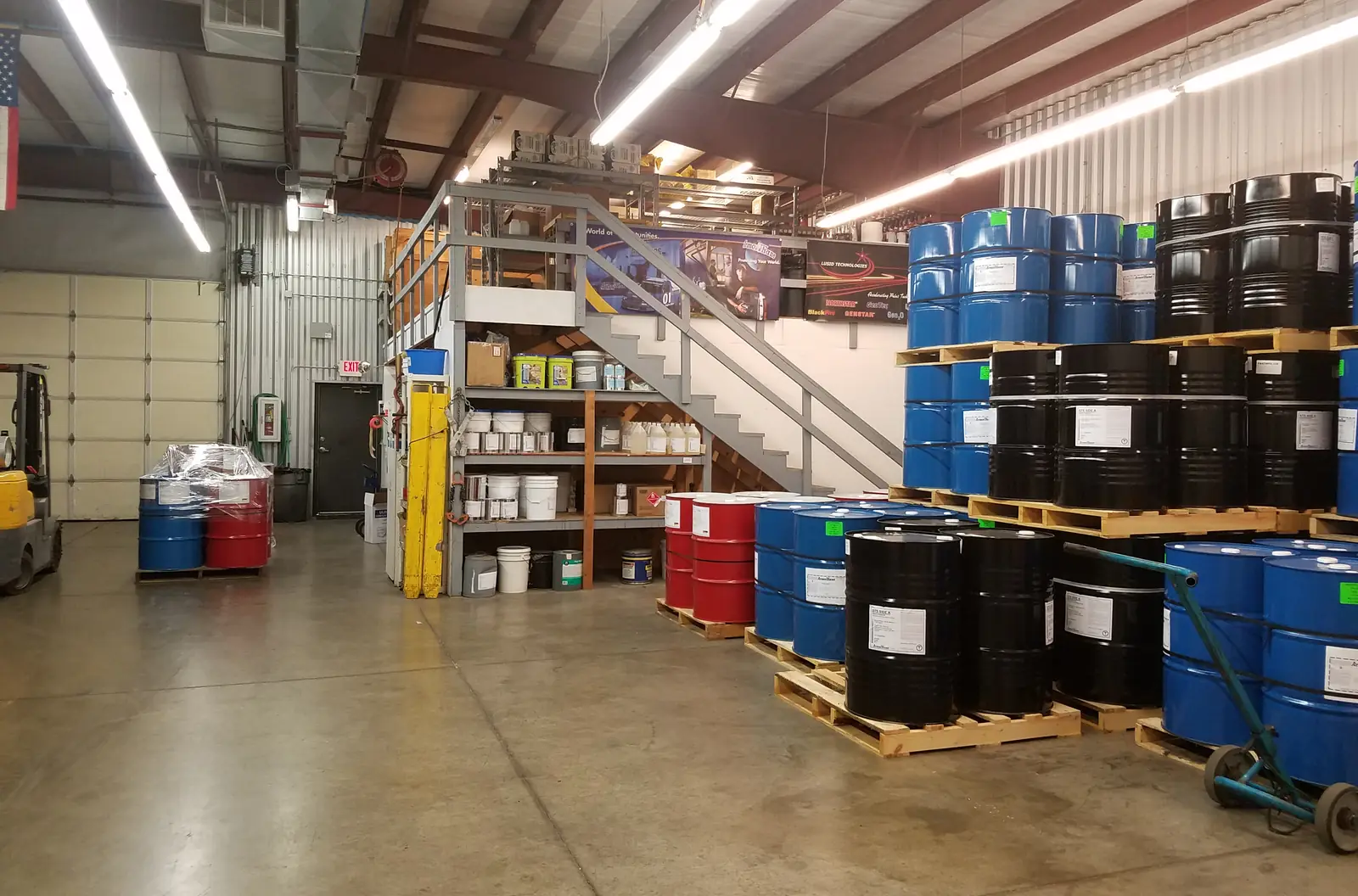
Kits belong near loading docks, fueling points, drum stores and maintenance bays. Keep them visible, unlocked and clear of stored goods, and make sure every shift knows where they are.
Train, use, restock
A short drill teaches more than a binder. After any use, replace what was taken and log it, so the next spill does not meet an empty bin.
Common inspection findings
- Kits stored behind locked doors
- Absorbents that do not match the liquid
- Used items never replaced
- No bags or labels for waste disposal
Common questions
How often should a spill kit be checked?
Many sites check monthly and after every use. Put the check on the same list as fire extinguisher inspections so it does not get skipped.
General information only. Check the rules, permits and safety data sheets that apply to your site.