Guide 01 / SC
Secondary containment
Secondary containment is the second barrier. If a tank, drum or pipe leaks, it holds the liquid until someone can clean it up.
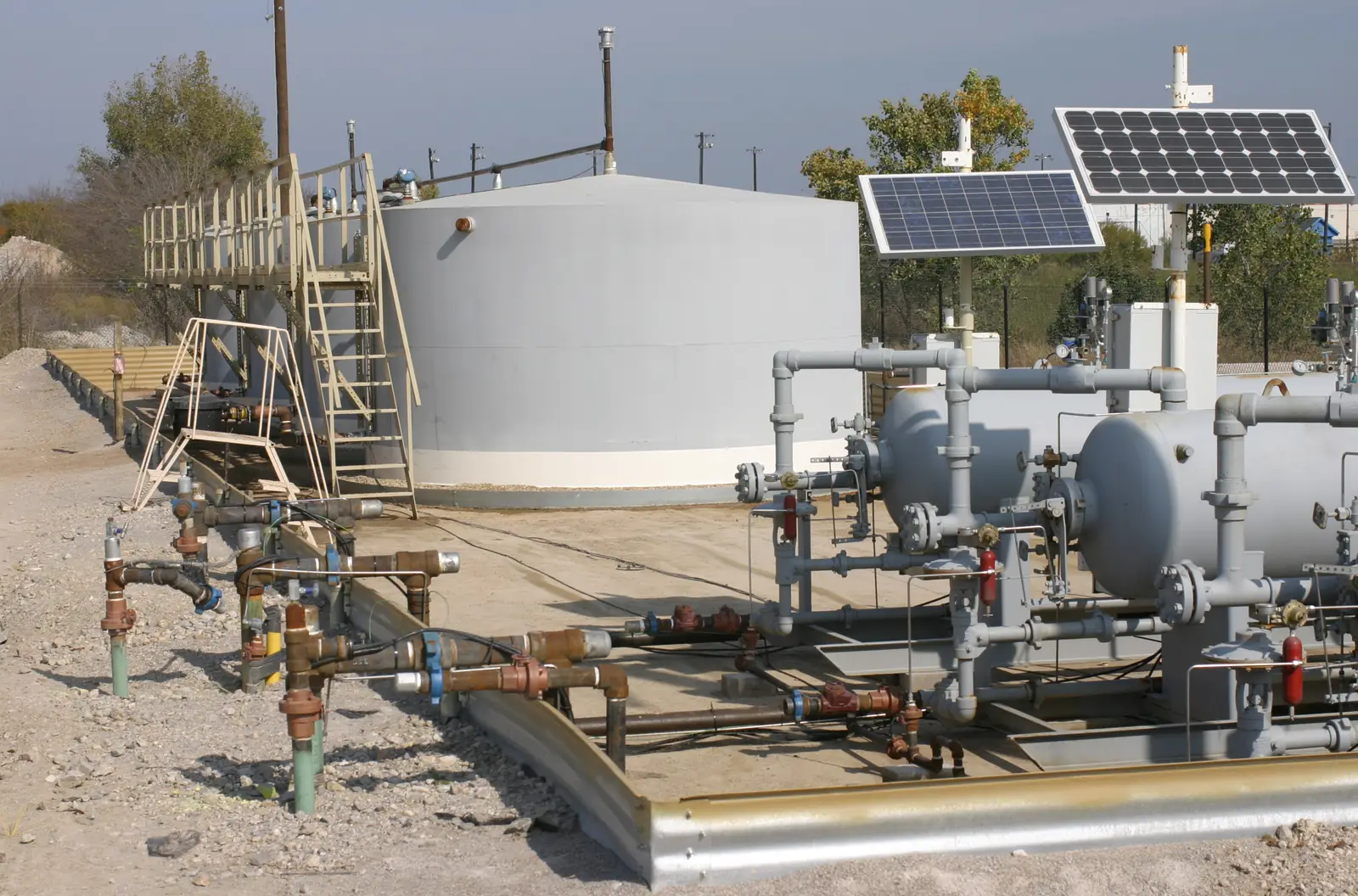
What counts as secondary containment
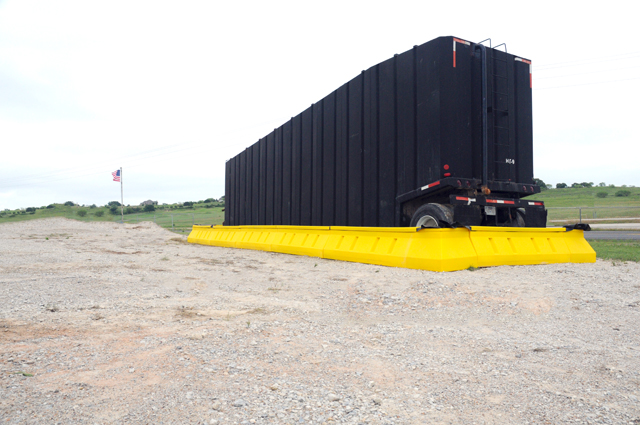
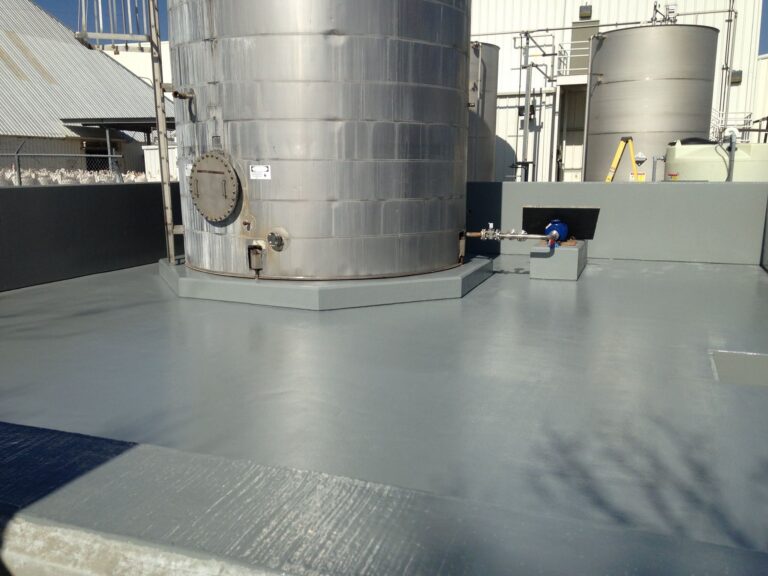
Dikes and berms around tank farms, lined concrete bunds, double wall tanks, spill pallets under drums and curbed areas around loading points all qualify. The common thread is a barrier that is liquid tight for the product stored and big enough to hold a release.
Capacity and freeboard
Most rules start from the largest container inside the area and then add room for rainwater if the area is open to the sky. Our sizing worksheet walks through the math with your own numbers.
Materials and compatibility
Bare concrete is porous and cracks over time, so many owners add a lining or coating. Whatever the material, check it against the safety data sheet of every product stored in the area, not just the main one.
Rainwater and drainage
Open containment fills with rain. Keep drain valves closed and locked, inspect water before releasing it, and record each release. An unattended open valve turns a bund into a channel.
Common inspection findings
- Valves left open after draining rainwater
- Cracks and joints that were never sealed
- New tanks added without rechecking capacity
- Debris and stored items taking up volume
Common questions
Is a double wall tank secondary containment?
Often yes. The outer wall acts as the second barrier. Check that it has a way to detect leaks between the walls and that fill points and piping are covered too.
Do indoor areas need containment?
Indoor drum and tote storage often still needs it. A spill on a sealed floor can reach drains, doorways and soil through cracks if nothing holds it back.
General information only. Check the rules, permits and safety data sheets that apply to your site.