Guide 03 / CC
Containment coatings
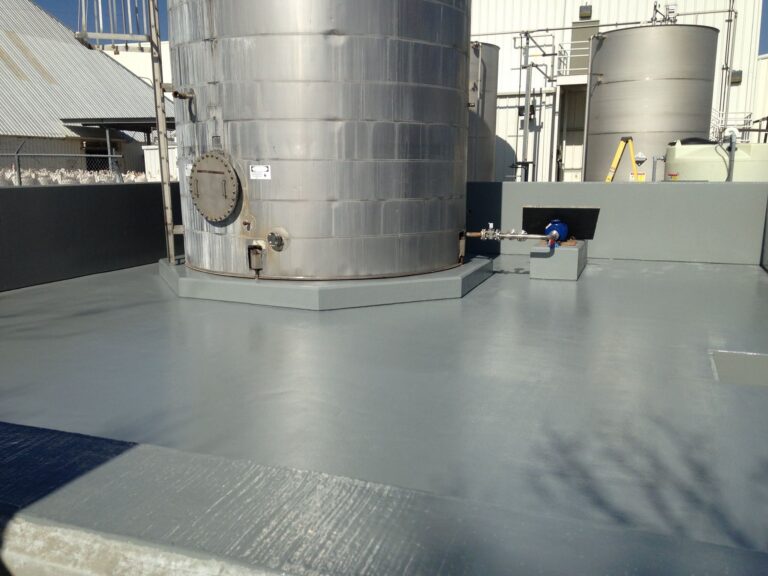
A coating turns a porous concrete bund into a liquid tight basin. It also makes cleanup and inspection easier.
Why line containment at all
Concrete absorbs liquids and cracks as it moves. A coating or lining bridges those weak points so a release stays on the surface where it can be pumped out.
Common chemistries
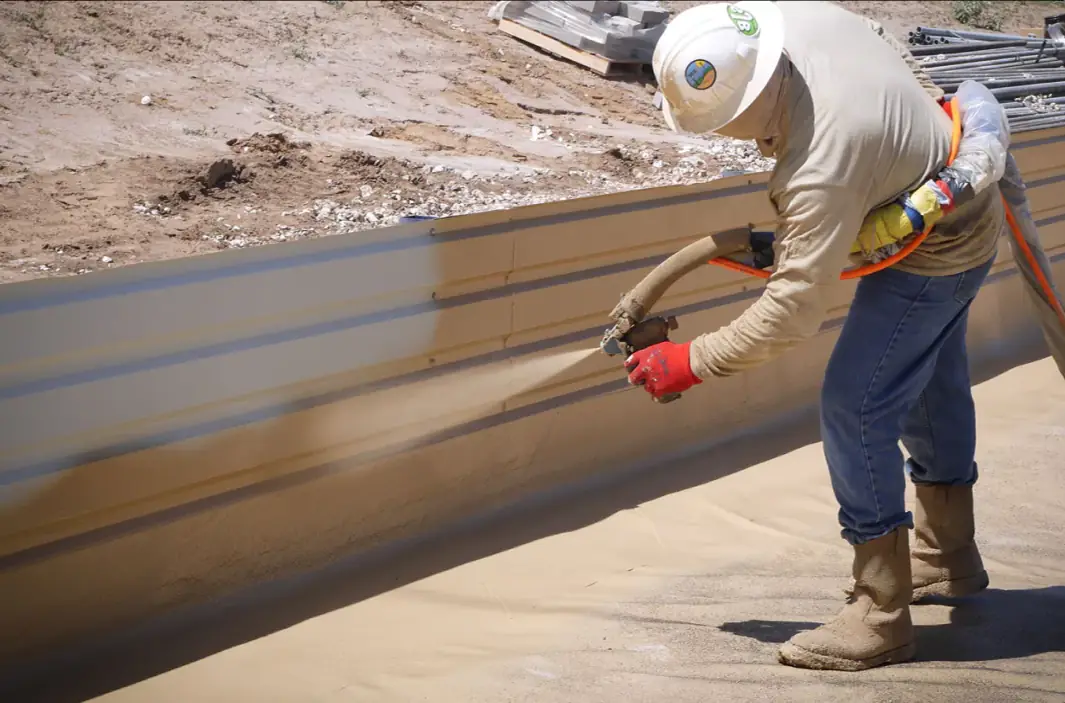
Epoxies bond well and resist many chemicals. Spray polyureas cure fast and stay flexible over moving cracks. Vinyl esters handle harsh acids. Each one has limits, so compare the supplier chemical resistance chart against your stored products.
Preparation and conditions
Most coating failures start with a damp, dirty or smooth surface. Grinding or blasting, repairing cracks, testing moisture and watching the weather window matter as much as the product.
Inspection after lining
A lined bund is easier to inspect. Look for blisters, peeling at edges, worn spots near drains and damage where hoses are dragged.
Common inspection findings
- Coating over damp or oily concrete
- Skipping crack and joint repair
- Ignoring a second stored chemical
- No plan for recoating worn areas
Common questions
Can a coating go over old concrete containment?
Usually, if the concrete is sound. Old coatings, oil and laitance have to come off first, and cracks need repair. A small test patch is a sensible first step.
General information only. Check the rules, permits and safety data sheets that apply to your site.